Introduction
Welcome to a comprehensive exploration of Commercial Refined Glycerine ,or Glycerol, This remarkable substance , often known simply as glycerol, plays a pivotal role in various industries and has a plethora of uses. In this article, we will delve into its properties, applications, and benefit, shedding light on its remarkable versatility.
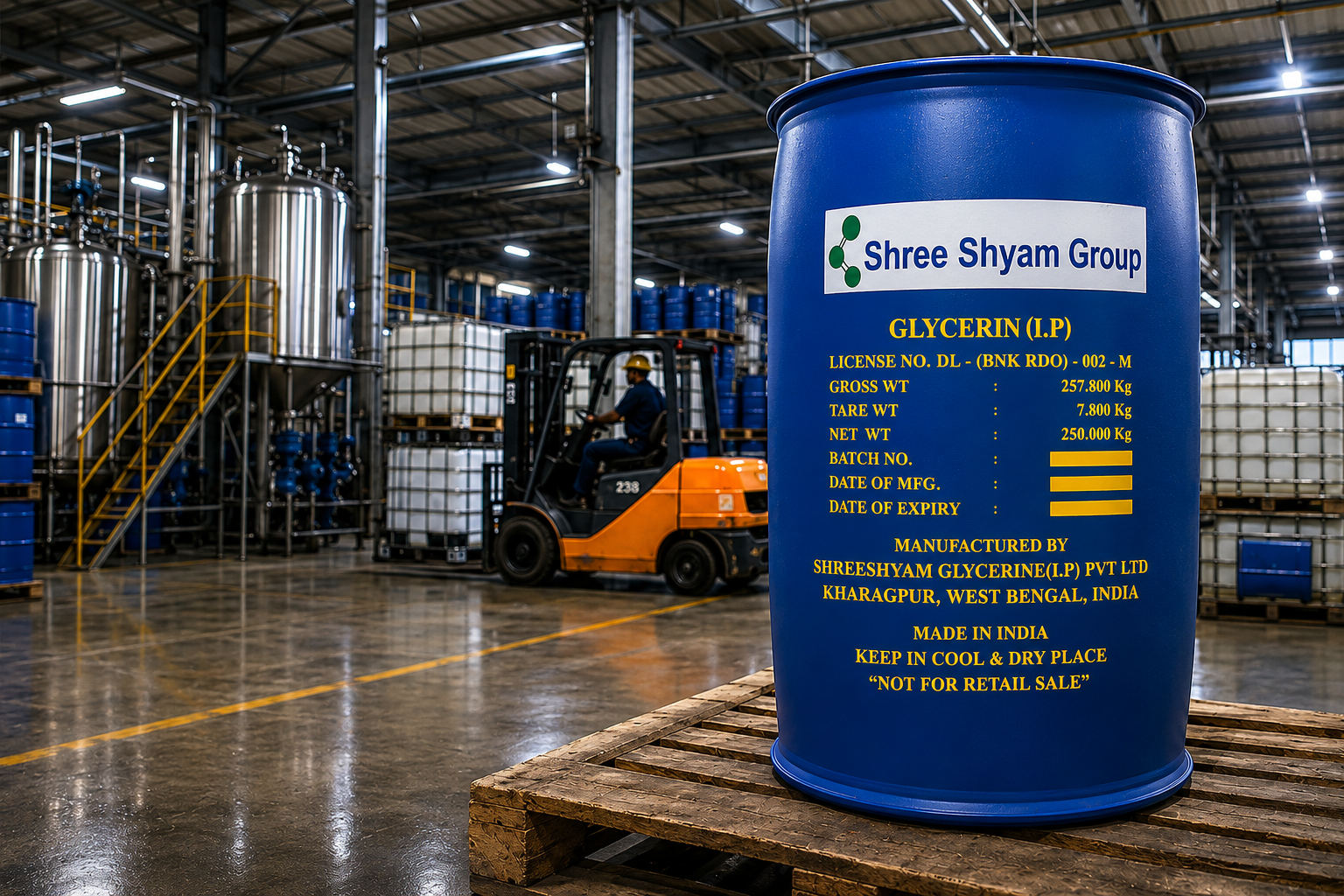
Glycerine, also known as glycerol, is a versatile compound widely used in various industries, including pharmaceuticals. In the pharmaceutical sector, glycerine of pharmaceutical grade is crucial for its purity and quality. Here's an introduction to glycerine and its pharmaceutical-grade form, along with a brief overview of the manufacturing process. Pharmaceutical grade glycerine is specifically produced and purified to meet the stringent standards set by pharmacopeias and regulatory authorities. Its purity is essential for pharmaceutical applications, where even minor impurities can have adverse effects. Pharmaceutical grade glycerine is typically characterized by a high degree of purity, absence of contaminants, and adherence to pharmacopoeial specifications.
Here are some common uses of glycerine pharma grade:
-
Pharmaceutical Formulations:
- Glycerine pharma grade serves as a key component in the formulation of pharmaceutical drugs and medications. It can be found in oral solutions, topical ointments, and suppositories.
-
Topical Preparations:
- Due to its moisturizing properties, glycerine is used in various topical preparations such as creams, lotions, and gels. These products are applied to the skin for conditions like dryness, eczema, and dermatitis.
-
Cough Syrups and Oral Solutions:
- Glycerine is a common ingredient in cough syrups and oral solutions. It helps improve the palatability of the medication and can serve as a solvent for certain active pharmaceutical ingredients.
-
Wound Care Products:
- Glycerine is used in wound care products and antiseptic solutions to provide a moist environment for wound healing and prevent the dressing from adhering to the wound.
-
Suppositories:
- Glycerine is employed in the production of suppositories, which are solid dosage forms inserted into the rectum or vagina for the delivery of medications. It acts as a base for certain medications and aids in their absorption.
-
Dental Products:
- Glycerine is used in dental products such as toothpaste and mouthwashes. It helps maintain the consistency of the product and can contribute to oral health formulations.
-
Parenteral Formulations:
- Glycerine may be included in certain parenteral formulations, such as injectable drugs or intravenous solutions, where its purity and compatibility with other ingredients are crucial.
-
Excipient in Tablet Formulations:
- Glycerine serves as an excipient in tablet formulations, contributing to the stability and dissolution properties of the tablet. It may be used in controlled-release formulations.
-
Diagnostic Imaging:
- In some medical imaging procedures, glycerine is utilized as a component in contrast agents for imaging modalities like ultrasound or magnetic resonance imaging (MRI).
-
Personal Care Products:
- Glycerine pharma grade can be found in high-quality personal care products such as skincare creams and lotions due to its moisturizing and emollient properties.
It's important to note that glycerine pharma grade undergoes rigorous quality control measures to ensure compliance with pharmacopeial standards and regulatory requirements. Its use in pharmaceutical applications is carefully monitored to guarantee safety and efficacy in medical treatments.
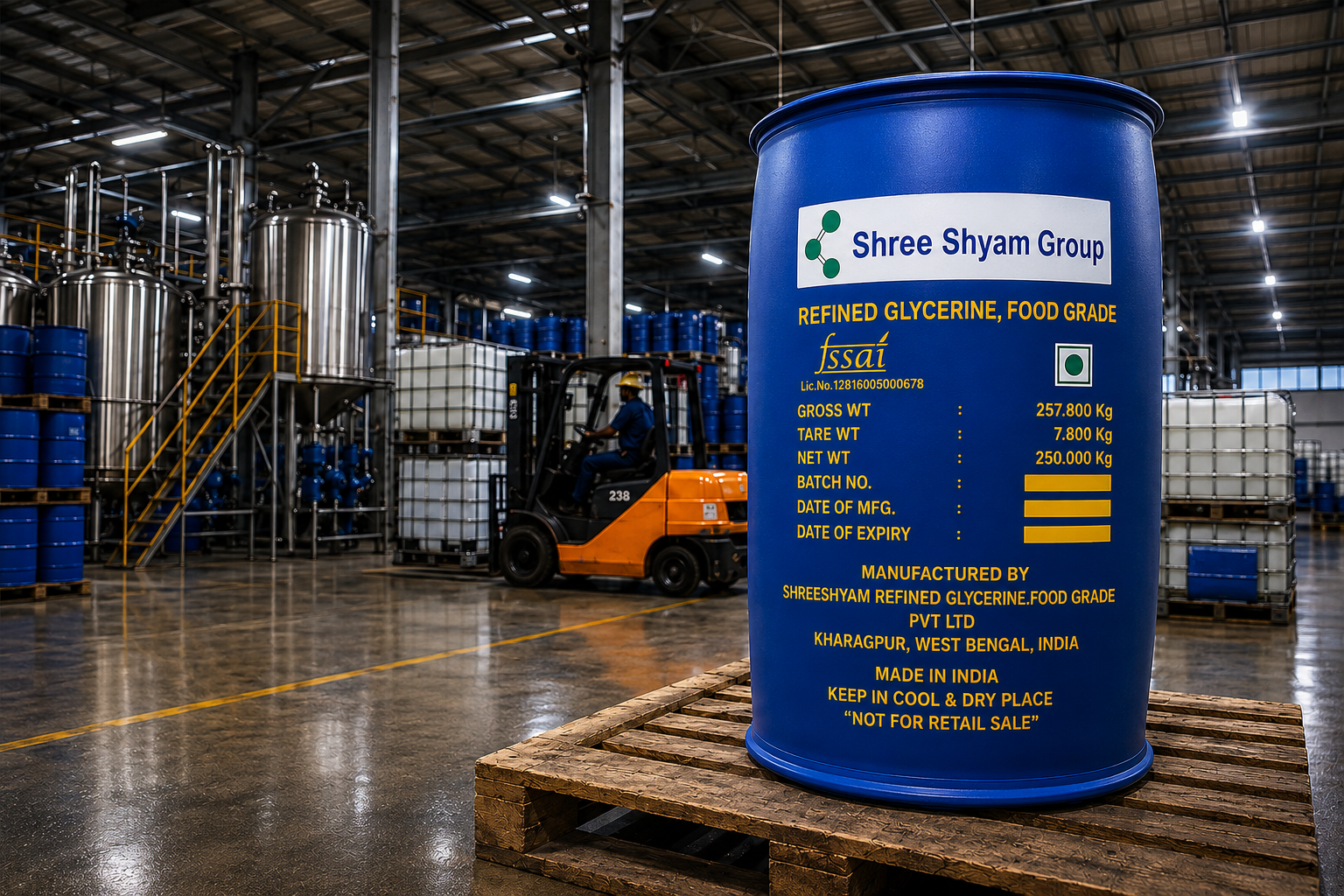
Glycerine, also known as glycerol, holds a significant role in the food industry as a versatile and safe additive. Glycerine of food grade is a high-purity form specifically manufactured to meet the standards and regulations set for food applications.
Glycerine food grade is a valuable ingredient in the food industry, contributing to the sweetness, moisture retention, and overall quality of a variety of food products. It is commonly used as a sweetener, humectant, and moisture-retaining agent in various food products. Its adherence to stringent food-grade standards ensures that it meets the safety requirements for consumption by humans.
Here are some common uses of glycerine food grade:
-
Sweetening Agent:
- Glycerine serves as a mild sweetener in food and beverages, providing a subtle sweetness without the intensity of traditional sugars. It is particularly useful in products where a lower-calorie sweetening option is desired.
-
Moisture Retention and Humectant:
- Glycerine is highly hygroscopic, meaning it attracts and retains moisture. In baked goods, confections, and other food products, it helps prevent drying out, maintaining a desirable texture and extending shelf life.
-
Texture Enhancer:
- Due to its viscosity and humectant properties, glycerine contributes to the texture of certain foods. It imparts a smooth and moist quality, making it suitable for applications like frostings, icings, and gels.
-
Preservative:
- Glycerine's ability to retain moisture can aid in preserving the freshness of certain food items. It helps prevent crystallization in candies and extends the shelf life of products prone to drying or staling.
-
Stabilizer in Ice Cream:
- Glycerine is used in the production of ice cream to prevent the formation of ice crystals. It enhances the texture and mouthfeel of the frozen dessert, providing a smoother and creamier consistency.
-
Low-Calorie Sweetener in Diabetic Products:
- Given its sweetening properties without the high caloric content of traditional sugars, glycerine is sometimes used in the formulation of diabetic-friendly or low-calorie food products.
-
Fruit and Vegetable Coatings:
- Glycerine is applied as a coating on fruits and vegetables to maintain their freshness and appearance It helps prevent dehydration and maintains the overall quality of the produce.
-
Confectionery and Candies:
- Glycerine is used in the production of candies, chocolates, and other confectionery items to control texture, prevent crystallization, and enhance sweetness.
-
Beverage Industry:
- It may be used in the beverage industry for various purposes, including as a sweetener, a stabilizer, or a texturizing agent in certain drinks.
-
Edible Ink in Printing on Food:
- Glycerine is sometimes used in edible inks for printing on food products, providing a safe and edible way to add designs or labels to items like cakes or cookies.
It's important to note that the use of glycerine food grade is subject to regulatory standards, and its application concentrations are carefully controlled to ensure safety and compliance with food regulations.
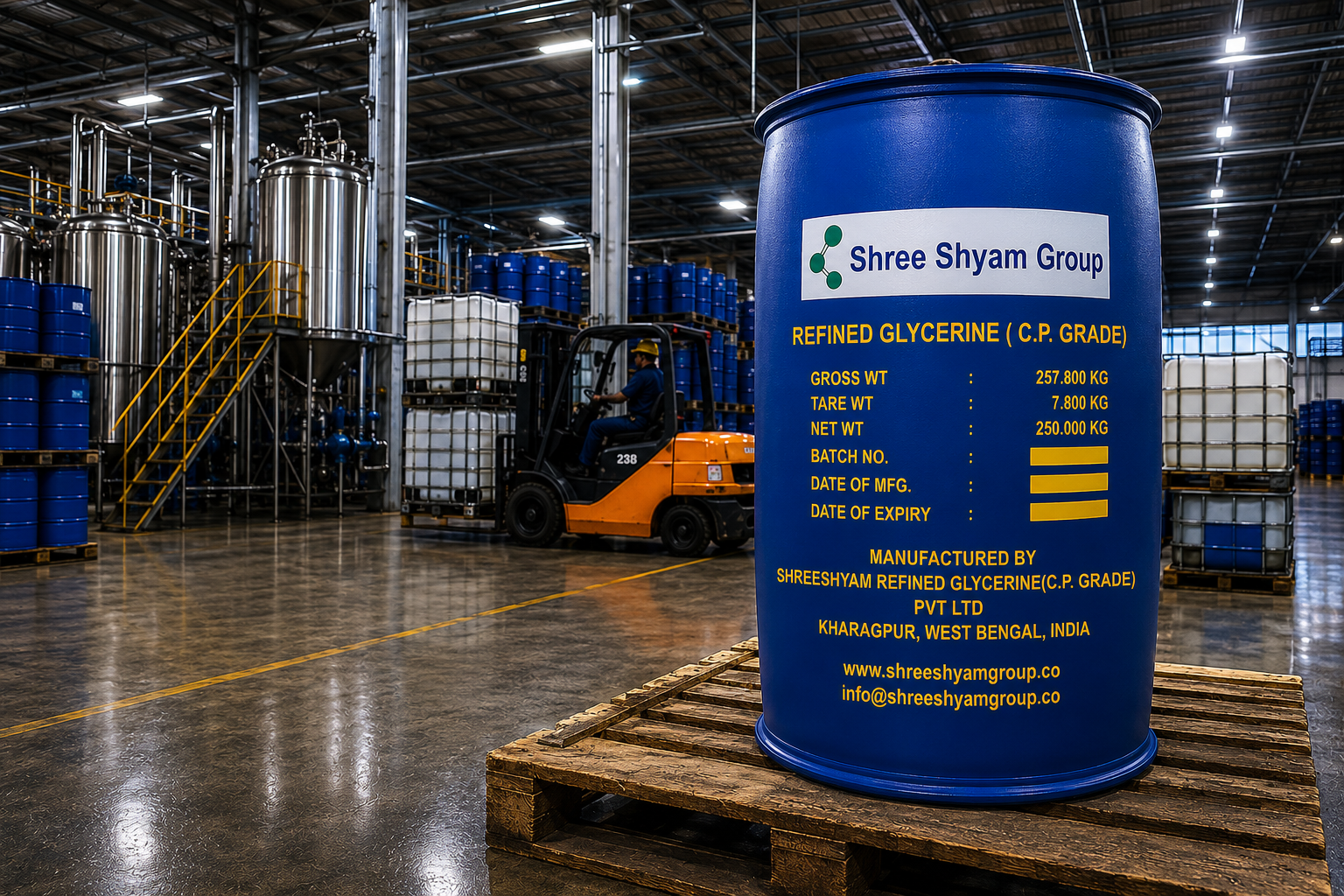
Industrial-grade glycerine, also known as technical-grade glycerine, is a form of glycerol that is produced to meet the requirements of various industrial applications. Unlike pharmaceutical or food-grade glycerine, industrial-grade glycerine may have lower purity standards and can be used in applications where a higher degree of impurities is acceptable. It finds use in sectors such as cosmetics, textiles, and automotive industries. Also known as technical-grade glycerine, it is employed for purposes outside the realms of pharmaceuticals and food, where a higher level of purity is not a critical requirement. Industrial-grade glycerine finds application in diverse sectors due to its functional properties and suitability for various manufacturing processes.
Here are some common uses of glycerine industrial grade:
-
Cosmetics and Personal Care Products:
- Glycerine is utilized in the production of cosmetics, skincare products, and toiletries. Its moisturizing properties make it a common ingredient in creams, lotions, and soaps.
-
Textile Industry:
- In textiles, glycerine is used as a softening agent and to improve the flexibility of fabrics. It may also be employed in dyeing processes to enhance color absorption.
-
Automotive Industry:
- Glycerine is sometimes used in the automotive industry, particularly in the formulation of antifreeze and brake fluid. Its properties contribute to the stability and performance of these fluids.
-
Chemical Manufacturing:
- Glycerine serves as a raw material in the synthesis of various chemicals. It is used in the production of resins, plastics, and other chemical compounds.
-
Paints and Coatings:
- In the manufacturing of paints and coatings, glycerine may be employed as a humectant and plasticizer, contributing to the overall quality and durability of the final product.
-
Printing Industry:
- Glycerine is used in the printing industry, particularly in the formulation of inks. Its properties contribute to the consistency and flow of the ink during the printing process.
-
Explosives Manufacturing:
- Glycerine is a key ingredient in the production of nitroglycerin, which is a component of explosives. Its role in this application is crucial for the stability and effectiveness of explosive materials.
-
Lubricants and Greases:
- Glycerine may be included in the formulation of lubricants and greases to enhance their viscosity and lubricating properties, contributing to the smooth operation of machinery.
-
Leather Industry:
- Glycerine is used in the leather industry to soften and condition leather. It helps maintain the suppleness and quality of leather products.
-
Food and Feed Additives:
- While not as pure as food-grade glycerine, industrial-grade glycerine may find use in certain non-food applications, such as animal feed additives or in processing facilities where a lower level of purity is acceptable.
It's essential to note that the specific uses of glycerine industrial grade can vary depending on the industry and application requirements. Its cost-effectiveness and functional properties make it a valuable component in numerous industrial processes.